If you have an outlet in your home that suddenly stops working, the short answer is: it could be anything from a simple reset to a deeper electrical issue—and it’s important to find out which. While some dead outlets are harmless, others can point to wiring problems, circuit failures, or safety risks that shouldn’t be ignored.
In homes across Modesto, dead outlets are a common issue—and one that often signals a need for professional electrical troubleshooting.
What Is a “Dead Outlet”?
A dead outlet is any electrical outlet that no longer provides power. You might notice:
- Devices won’t turn on
- No response when plugging something in
- Nearby outlets still working normally
This can happen suddenly or gradually, depending on the cause.
Common Causes of Dead Outlets
1. Tripped Circuit Breaker
One of the most common causes is a tripped breaker.
Your electrical panel is designed to shut off power when a circuit is overloaded or detects a fault. When this happens:
- Power to certain outlets is cut
- Resetting the breaker may restore power
Tip: Always check your panel first before assuming a bigger issue.
2. Tripped GFCI Outlet
Many homes—especially in kitchens, bathrooms, garages, and outdoor areas—use GFCI (Ground Fault Circuit Interrupter) outlets.
These outlets:
- Shut off power when they detect imbalance
- Often control multiple outlets on the same circuit
If one outlet is dead, try pressing the “reset” button on nearby GFCI outlets.
3. Loose Wiring Connections
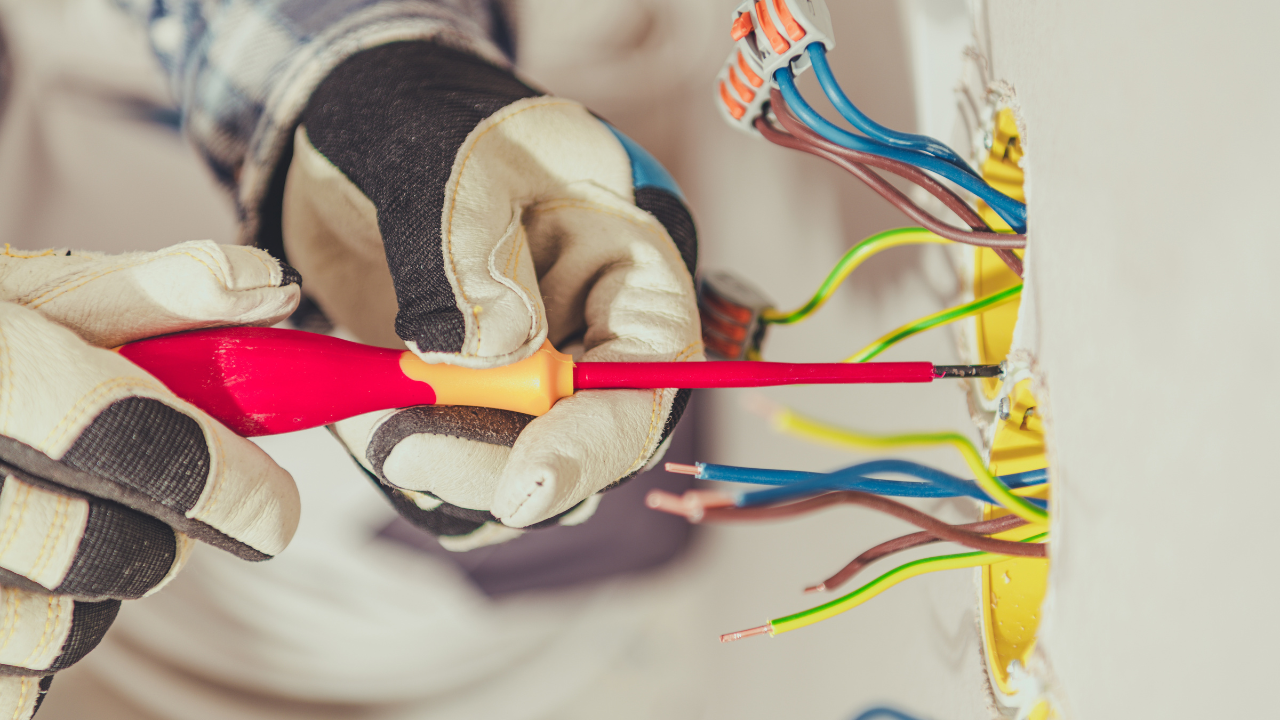
Loose wires behind an outlet can interrupt the flow of electricity.
This can be caused by:
- Age and wear
- Improper installation
- Vibration or movement
Loose wiring isn’t just inconvenient—it can also be dangerous if it leads to arcing.
4. Burned or Damaged Outlet
Outlets can wear out over time, especially if they’ve been used heavily.
Signs of a damaged outlet include:
- Discoloration
- Burn marks
- A loose plug fit
- A slight burning smell
If you notice any of these, stop using the outlet immediately.
5. Backstabbed Wiring Failures
Some outlets are installed using “backstab” connections, where wires are pushed into the back instead of secured with screws.
Over time, these connections can loosen and fail—leading to dead outlets.
This is a common issue in older homes and one electricians frequently encounter.
6. Faulty Electrical Devices
Sometimes the outlet isn’t the problem.
If a device is malfunctioning, it may appear that the outlet is dead. Always test with:
- A different appliance
- A phone charger or small device
This helps rule out equipment issues.
7. Wiring Problems Behind Walls
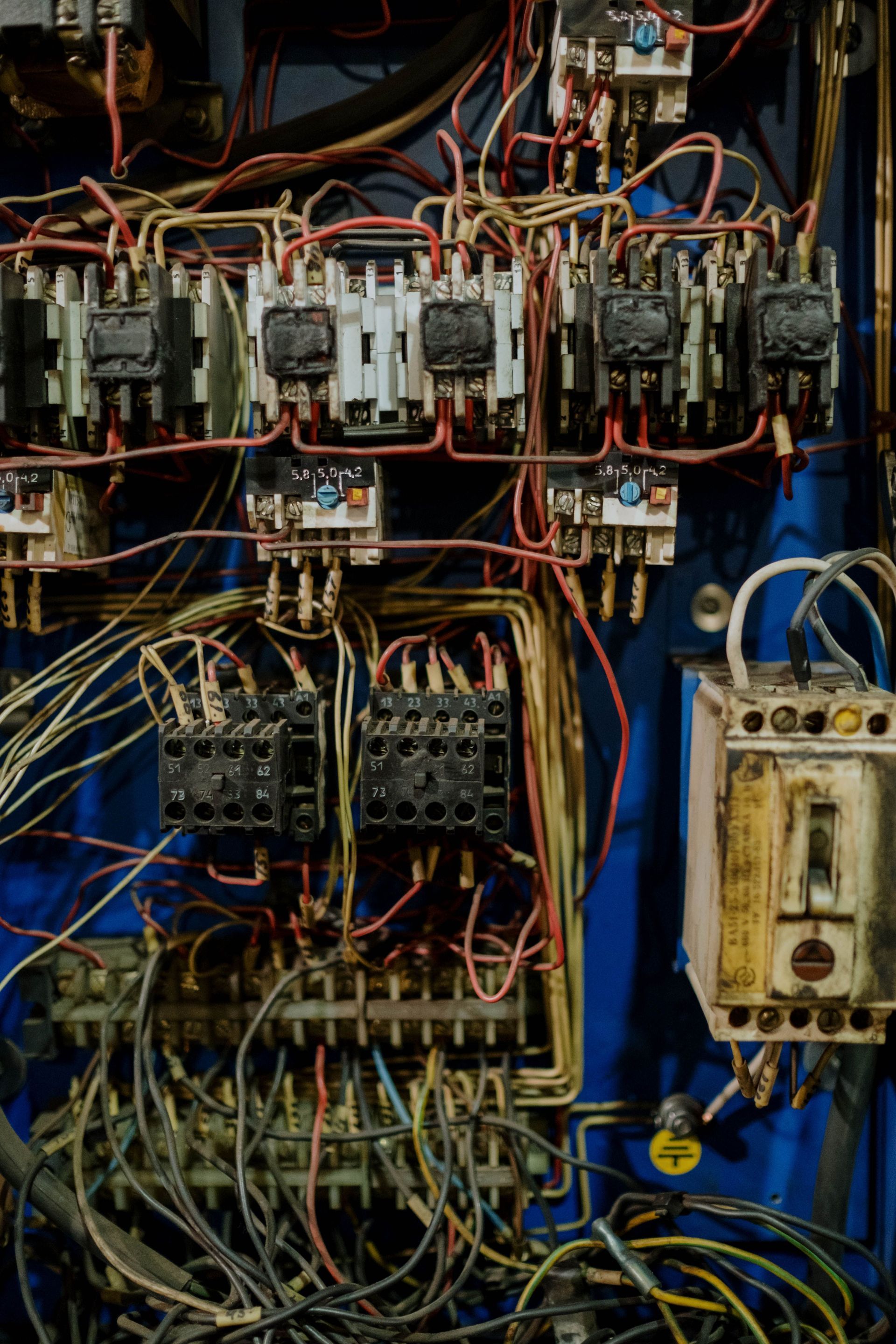
If multiple outlets are affected—or none of the simple fixes work—the issue may be deeper in the system.
Possible causes include:
- Damaged wiring
- Broken connections in junction boxes
- Rodent damage (rare but possible)
These problems require professional diagnosis.
When a Dead Outlet Is a Serious Problem
Not every dead outlet is dangerous—but some warning signs indicate a bigger issue:
- The outlet was warm before it stopped working
- There’s a burning smell
- You hear buzzing or crackling
- Multiple outlets stopped working at once
- Breakers trip repeatedly
These can signal wiring problems that increase the risk of electrical fire.
According to the U.S. Fire Administration, electrical malfunctions are a leading cause of home fires—making it critical to address issues early.
What You Can Safely Check Yourself
Before calling an electrician, there are a few safe steps you can take:
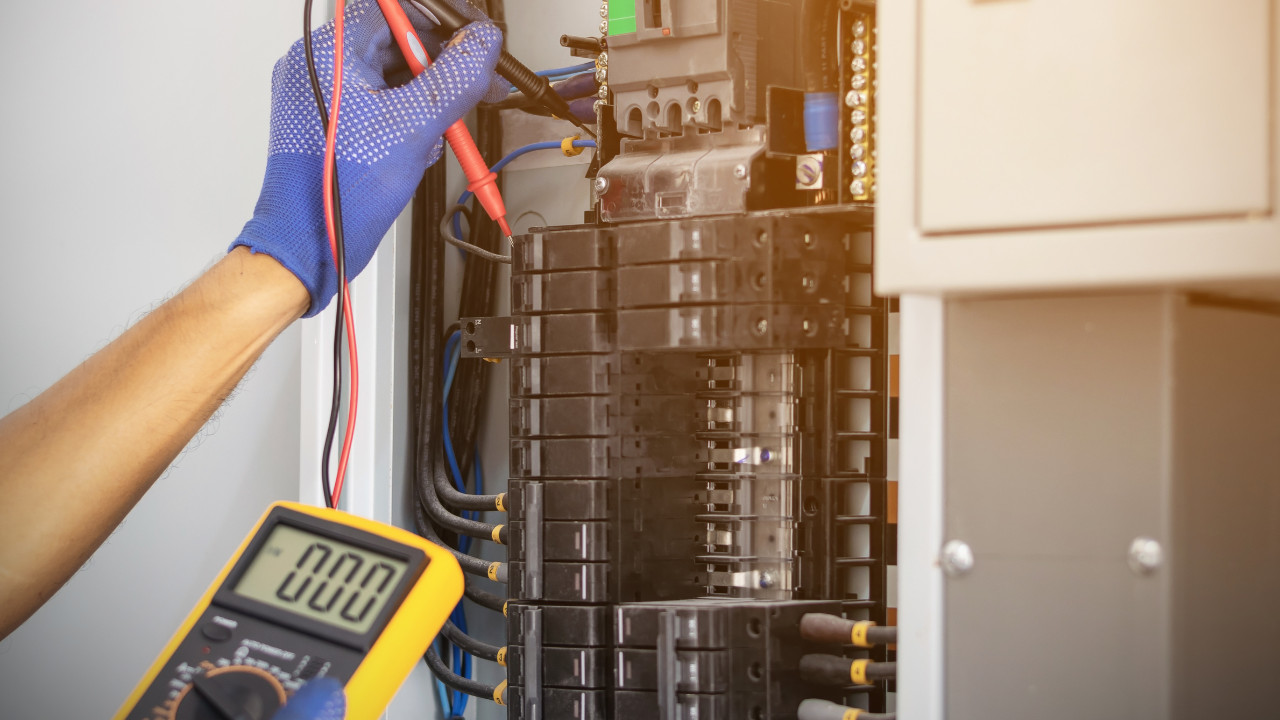
1. Check the Breaker Panel
Look for any breakers that have tripped and reset them once.
2. Reset GFCI Outlets
Press the reset button on nearby outlets, especially in bathrooms, kitchens, and garages.
3. Test Another Device
Plug in a different device to confirm the outlet is actually the issue.
4. Inspect for Visible Damage
If you see burn marks or smell something unusual, stop immediately and call a professional.
What NOT to Do
Avoid these common mistakes:
- Don’t open outlets without turning off power
- Don’t ignore repeated issues
- Don’t rely on extension cords as a long-term fix
- Don’t assume the issue will resolve itself
Electrical problems tend to worsen over time—not improve.
How an Electrician Fixes a Dead Outlet
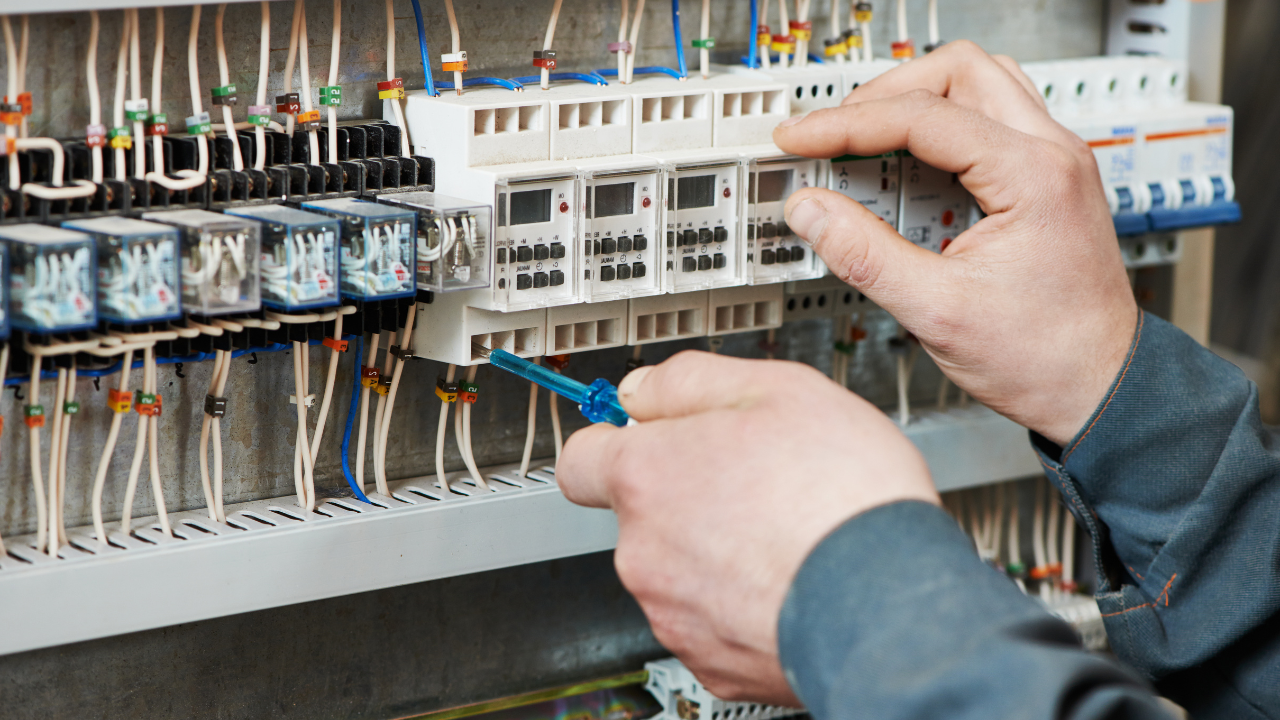
When a professional inspects the issue, they’ll typically:
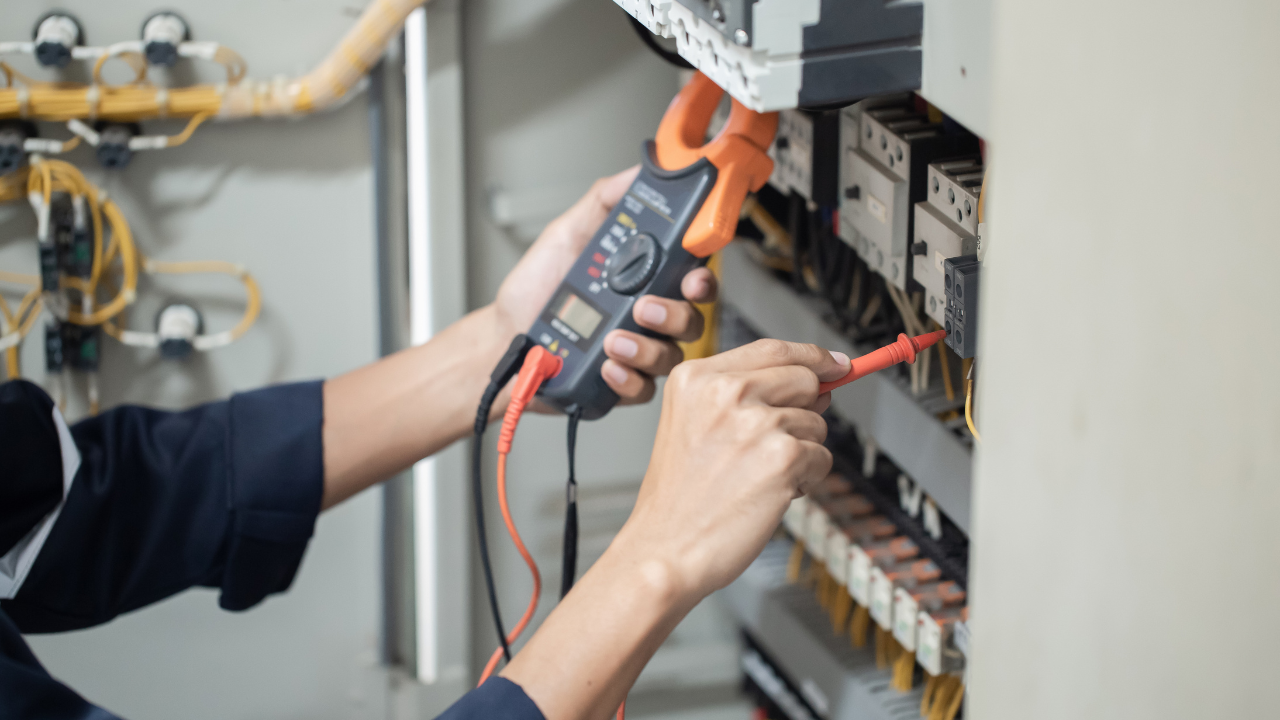
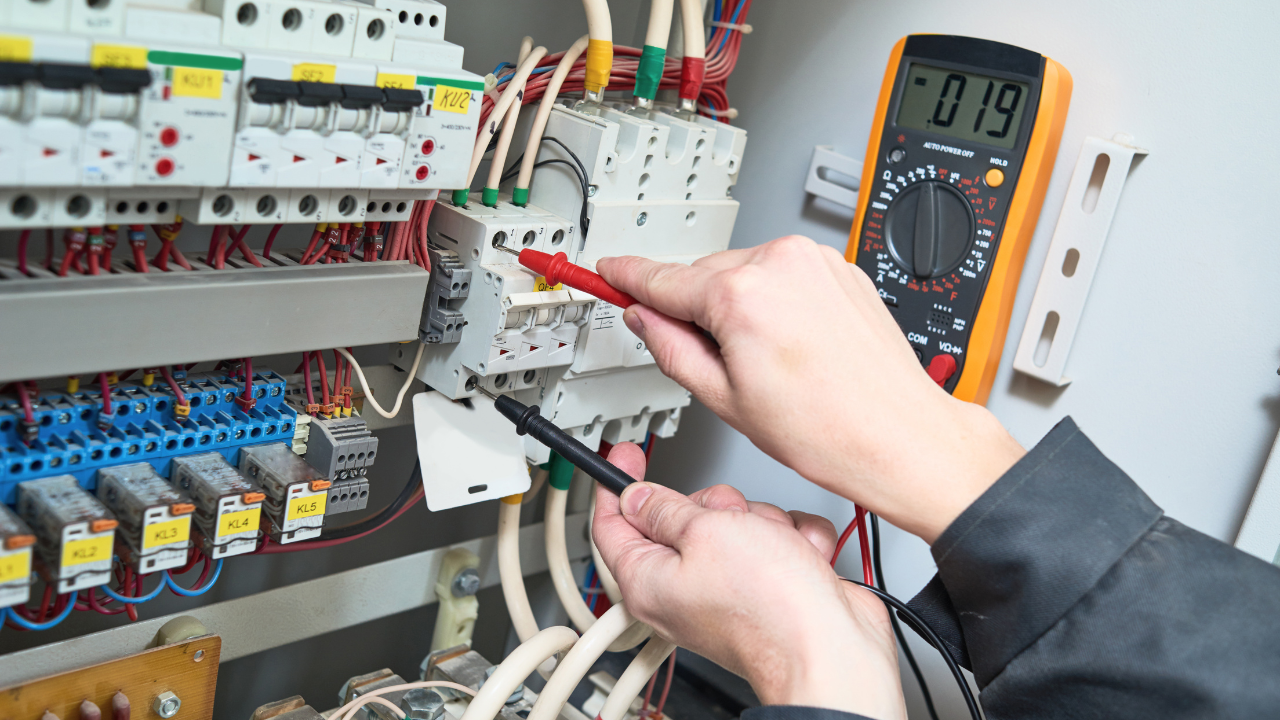
1. Test the Circuit
Identify where power is lost.
2. Inspect the Outlet
Check for damage, loose connections, or wear.
3. Trace Wiring
Locate any breaks or faults behind walls or in junction boxes.
4. Repair or Replace Components
This may include replacing the outlet, rewiring connections, or correcting circuit issues.
The goal is to fix the root problem—not just restore temporary power.
Why Dead Outlets Are Common in Modesto Homes
Many homes in the Modesto area are older and may have:
- Aging wiring systems
- Outdated outlets
- Previous DIY electrical work
- Increased electrical demand over time
These factors make outlet issues more common—and more important to address properly.
Preventing Dead Outlets in the Future
While not all issues can be avoided, you can reduce your risk by:
- Replacing worn or loose outlets
- Avoiding overloading circuits
- Upgrading older wiring
- Scheduling regular inspections
- Using surge protection
Keeping your electrical system updated helps prevent unexpected failures.
FAQs About Dead Outlets
Can one dead outlet affect others?
Yes. Outlets are often connected in a series, so one failure can impact others on the same circuit.
Is a dead outlet always a wiring issue?
No. It could be a breaker, GFCI, or the outlet itself—but wiring issues are also possible.
How much does it cost to fix a dead outlet?
Costs vary depending on the cause, but simple repairs are typically affordable compared to larger electrical issues.
Can I replace an outlet myself?
It’s possible, but if you’re unsure about the cause, it’s safer to have a professional handle it.
Should I ignore one dead outlet if others work?
No. Even a single dead outlet can indicate a larger issue that should be checked.
When to Call an Electrician
You should call for professional help if:
- The outlet won’t reset
- Multiple outlets are affected
- You notice heat, smell, or discoloration
- Breakers keep tripping
- You’re unsure of the cause
Electrical systems aren’t something to guess with—especially when safety is involved.
Get Fast, Reliable Electrical Repairs in Modesto
A dead outlet might seem like a small inconvenience—but it can be a sign of something bigger behind the walls.
Technical Electric provides:
- Accurate troubleshooting
- Safe, code-compliant repairs
- Clear communication about the issue
- Reliable service you can trust
Whether it’s a quick fix or a deeper electrical problem, getting it handled early helps protect your home and avoid bigger repairs later.
Call (209) 988-0502 today to schedule service or request a quote.