How Much Does It Cost to Install an EV Charger at Home in Modesto?
How Much Does It Cost to Install an EV Charger at Home in Modesto?
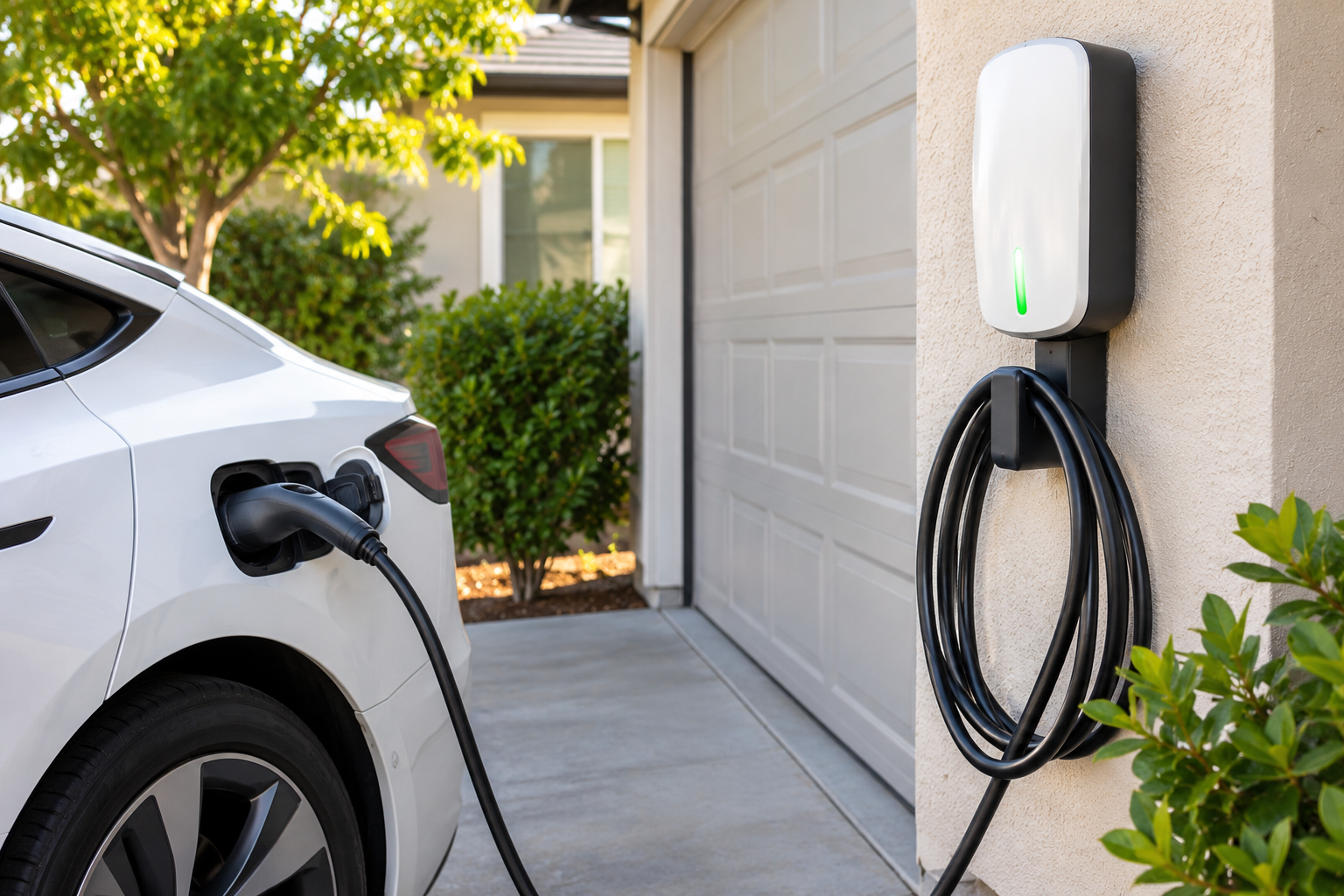
Installing an electric vehicle charger at home provides a convenient way to keep your vehicle charged without relying entirely on public charging stations.
For Modesto homeowners, a typical Level 2 EV charger installation may cost approximately $800 to $2,500, including charging equipment and standard electrical installation. More complex projects requiring electrical panel upgrades, extensive wiring, or underground electrical work may cost considerably more.
The final price depends on your home's electrical capacity, charger type, installation location, and permit requirements.
At Technical Electric, we provide professional residential electrical services throughout Modesto, CA, and surrounding communities, including EV charger installations, dedicated circuits, and electrical upgrades.
What Is the Average Cost of Installing a Home EV Charger?
Homeowners planning a Level 2 EV charger installation should consider both equipment and electrical installation expenses.
General estimated costs include:
- Level 2 EV charging equipment: $300–$800
- Standard electrical installation: $500–$1,500
- Longer or more complex wiring installation: $1,000–$3,000+
- Electrical panel or service upgrade, if necessary: $1,500–$4,000+
- Permit and inspection fees: Varies by jurisdiction
These figures are general budgeting estimates rather than verified Modesto contractor prices. Costs are not necessarily additive because some installation estimates may already include wiring, labor, and materials.
A straightforward installation near an electrical panel with sufficient capacity generally costs less than a project requiring substantial electrical modifications.
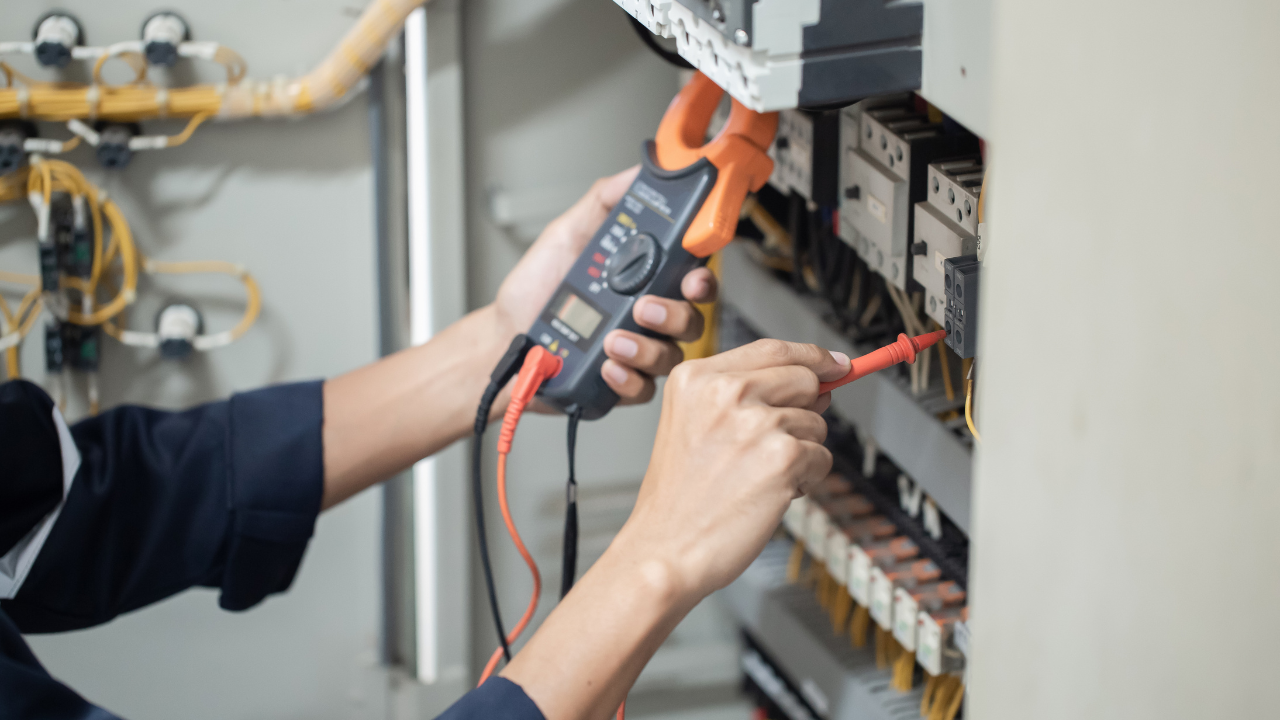
Scheduling a professional electrical evaluation is the best way to receive an accurate estimate.
5 Factors That Affect EV Charger Installation Costs in Modesto
1. Your Home's Existing Electrical Capacity
One of the most important factors affecting EV charger installation costs is whether your existing electrical system can safely accommodate the additional demand.
An electrician must consider the electrical loads associated with:
- Heating and air conditioning equipment
- Electric ranges and ovens
- Clothes dryers
- Water heaters
- Major household appliances
- Existing electrical circuits
If your electrical panel has sufficient capacity, installation may only require adding a dedicated EV charging circuit.
However, homes with limited electrical capacity may require additional modifications or a panel upgrade.
Not every home with a 100-amp electrical service requires an upgrade. A qualified electrician can determine whether alternative solutions are appropriate.
2. Distance Between the Electrical Panel and Charger
The distance between your electrical panel and charging location directly affects installation costs.
Installing a charger on a garage wall near the electrical panel may require fewer materials and less labor.
Longer installation routes may require:
- Additional electrical wiring
- Conduit
- Increased installation labor
- Additional electrical planning
- Underground electrical work
Selecting a practical charging location before purchasing equipment can help reduce unnecessary expenses.
3. Charger Type and Charging Capacity
Different EV chargers have different electrical requirements.
Level 1 EV Charging
Level 1 charging uses a standard 120-volt supply and generally provides slower charging speeds. It may be suitable for homeowners with shorter daily driving distances.
Level 2 EV Charging
Level 2 charging typically uses a 240-volt electrical supply in residential applications and provides faster charging.
Higher-output chargers may require greater circuit capacity, larger conductors, and additional electrical modifications.
However, the highest-powered charger is not always necessary. Your daily driving habits and vehicle's charging capabilities should guide your decision.
4. EV Charger Installation Location
The physical location of your EV charger can influence installation complexity and overall project costs.
Common installation locations include:
- Attached garages
- Detached garages
- Exterior walls
- Driveways
- Covered parking areas
Outdoor installations require equipment suitable for environmental exposure.
Detached garages and underground wiring installations may require additional electrical work, excavation, or restoration.
A professional electrician can help determine a location that balances convenience, safety, and affordability.
5. Permit and Inspection Requirements
Residential EV charger installations commonly require electrical permits and inspections.
Modesto homeowners should confirm current requirements with the appropriate local building authority.
Permit costs and inspection procedures may vary depending on the project.
Professional installation should comply with applicable California electrical requirements, local regulations, and manufacturer instructions.
Is a Level 2 Home EV Charger Worth the Investment?
For many electric vehicle owners, Level 2 charging provides a practical balance between convenience and charging speed.
Faster Charging
Level 2 chargers generally replenish driving range more quickly than Level 1 charging.
This can be particularly beneficial for homeowners with longer commutes or frequent driving requirements.
Actual charging speeds depend on the vehicle, charger output, and battery conditions.
Convenient Overnight Charging
A home EV charger allows you to recharge your vehicle while it is parked overnight.
Instead of relying on public charging stations, homeowners can charge their vehicles according to their household schedules.
Some utility providers offer time-of-use electricity plans that may help reduce charging expenses during eligible hours.
Long-Term Convenience
A professionally installed EV charger can provide convenient home charging for years.
Depending on equipment compatibility, the charger may also accommodate future electric vehicles.
Planning for both current and future charging needs can help homeowners avoid unnecessary modifications later.
Can Installing an EV Charger Near Your Electrical Panel Save Money?
In many cases, installing an EV charger near your electrical panel can reduce wiring requirements and labor expenses.
However, the closest location is not always the most practical.
Before selecting an installation location, consider:
- Where your vehicle normally parks
- The location of your vehicle's charging port
- Charging cable accessibility
- Safe equipment mounting
- Potential future EV purchases
- Indoor or outdoor installation requirements
An experienced electrician can help identify a charging location that meets your needs while controlling installation costs.
Do You Need an Electrical Panel Upgrade for an EV Charger?
Not every home requires an electrical panel upgrade to support EV charging.
The appropriate solution depends on your existing electrical capacity, household electrical demand, and proposed charger requirements.
Following a professional electrical evaluation, an electrician may recommend:
- Installing a dedicated EV charging circuit
- Configuring the charger for a lower output
- Installing an approved energy management system
- Modifying the electrical distribution system
- Upgrading the electrical panel or service when necessary
Homeowners should avoid assuming that an electrical panel upgrade is automatically required.
A proper load calculation can help determine the safest and most practical installation approach.
Are EV Charger Rebates or Incentives Available in California?
California homeowners may qualify for certain programs that help offset EV charger installation expenses.
Potential incentive sources include:
- Utility company incentive programs
- Regional EV charging initiatives
- State transportation electrification programs
- Applicable federal tax incentives
Program availability and eligibility may depend on your location, utility provider, income, equipment selection, and available funding.
Homeowners can explore current information through:
Because incentive programs change, verify current eligibility and application requirements before including potential savings in your installation budget.
What Should an EV Charger Installation Estimate Include?
A detailed installation estimate helps homeowners understand the project's requirements and avoid unexpected expenses.
Before approving an installation, review the following considerations.
Electrical System Evaluation
The estimate should account for your home's electrical capacity and the proposed charger's requirements.
If an electrical upgrade is recommended, ask why it is necessary.
Charging Equipment Specifications
Confirm whether the charging equipment is included in the estimate or purchased separately.
Review charger output, vehicle compatibility, and installation requirements.
Electrical Installation Materials
The estimate should address necessary materials, including wiring, circuit protection, conduit, and mounting hardware.
Permits and Inspections
Clarify who will obtain required electrical permits and coordinate inspections.
Additional Electrical or Property Work
Ask whether the estimate includes additional work such as trenching, drywall repairs, panel modifications, or restoration.
Understanding these details can help you compare installation estimates more accurately.
Common Mistakes That Increase EV Charger Installation Costs
Careful planning can help homeowners avoid unnecessary expenses during an EV charger installation.
Purchasing a Charger Before an Electrical Evaluation
Buying a high-output charger without confirming your home's electrical capacity may result in unexpected upgrade expenses.
Consult a qualified electrician before making your final equipment selection.
Choosing an Inconvenient Charging Location
Poor charger placement may require additional wiring or future modifications.
Consider your parking arrangement and charging cable accessibility before installation.
Assuming Maximum Charging Power Is Necessary
Many homeowners do not require the highest available charging output.
A lower-output Level 2 charger may provide sufficient overnight charging while reducing electrical demand.
Ignoring Permit Requirements
Unpermitted electrical work can create safety concerns, inspection complications, and potential property transaction issues.
Always confirm applicable local requirements before installation.
Choosing an Electrician Based Only on Price
The lowest installation estimate does not necessarily provide the best long-term value.
Proper EV charger installation requires attention to electrical capacity, circuit sizing, equipment compatibility, and applicable safety requirements.
Why Professional EV Charger Installation Matters
Electric vehicle charging equipment can operate for extended periods, placing sustained demand on your home's electrical system.
Improper circuit sizing, unsuitable connections, or incorrect installation can increase the risk of overheating and equipment damage.
Professional EV charger installation helps address important considerations such as:
- Electrical load calculations
- Proper circuit sizing
- Appropriate wiring and materials
- Equipment compatibility
- Electrical safety requirements
- Manufacturer installation instructions
- System operation and reliability
At Technical Electric, we emphasize clean workmanship, honest communication, and code-conscious electrical services.
Our team helps Modesto homeowners understand their electrical requirements before beginning an EV charger installation project.
Frequently Asked Questions About EV Charger Installation Costs
How much does it cost to install a Level 2 EV charger in Modesto?
A standard Level 2 EV charger installation may cost approximately $800 to $2,500, including equipment. Projects requiring extensive wiring, panel upgrades, or additional electrical modifications may cost more. These are general planning estimates rather than confirmed local prices.
Is it cheaper to install an EV charger in a garage?
It can be more affordable when the electrical panel is nearby and the wiring route is straightforward. Actual costs depend on your property's electrical layout and installation requirements.
Can I use an existing 240-volt outlet for EV charging?
Possibly. However, an electrician should evaluate the outlet, wiring, circuit protection, and electrical capacity before it is used for EV charging. Existing appliance outlets should not automatically be considered suitable.
Will installing an EV charger increase my electricity bill?
Home EV charging increases electricity consumption. Actual expenses depend on driving distance, vehicle efficiency, charging losses, and utility rates. Eligible time-of-use plans may help reduce charging costs.
Do I need a 200-amp electrical panel for an EV charger?
Not necessarily. Some homes with smaller electrical services can safely accommodate EV charging. A qualified electrician must evaluate available capacity and appropriate installation options.
Can I install an EV charger outside my home?
Yes, provided the charging equipment is suitable for outdoor use and installed according to applicable electrical requirements and manufacturer instructions.
Get a Professional EV Charger Installation Estimate in Modesto, CA
Installing a home EV charger can provide greater convenience and flexibility for electric vehicle owners.
Understanding installation costs, electrical requirements, and available charging options can help you make an informed investment without paying for unnecessary modifications.
At Technical Electric, we provide residential electrical services throughout Modesto, CA, and surrounding communities, including:
- EV charger installation
- Dedicated EV charging circuits
- Electrical panel upgrades
- Residential electrical services
- Electrical system evaluations
Whether you're purchasing your first electric vehicle or upgrading your existing charging setup, our team can help you understand the electrical work involved.
Contact Technical Electric today or call (209) 988-0502 to discuss your home EV charger installation and request a personalized estimate in Modesto, CA.
Need Power To It, We Do It!
Recent Posts